Panmnesia Signs Strategic Partnership with KAIST for AX Innovation … "Maximizing AI Agent Efficiency Through Link Semiconductors"
Share
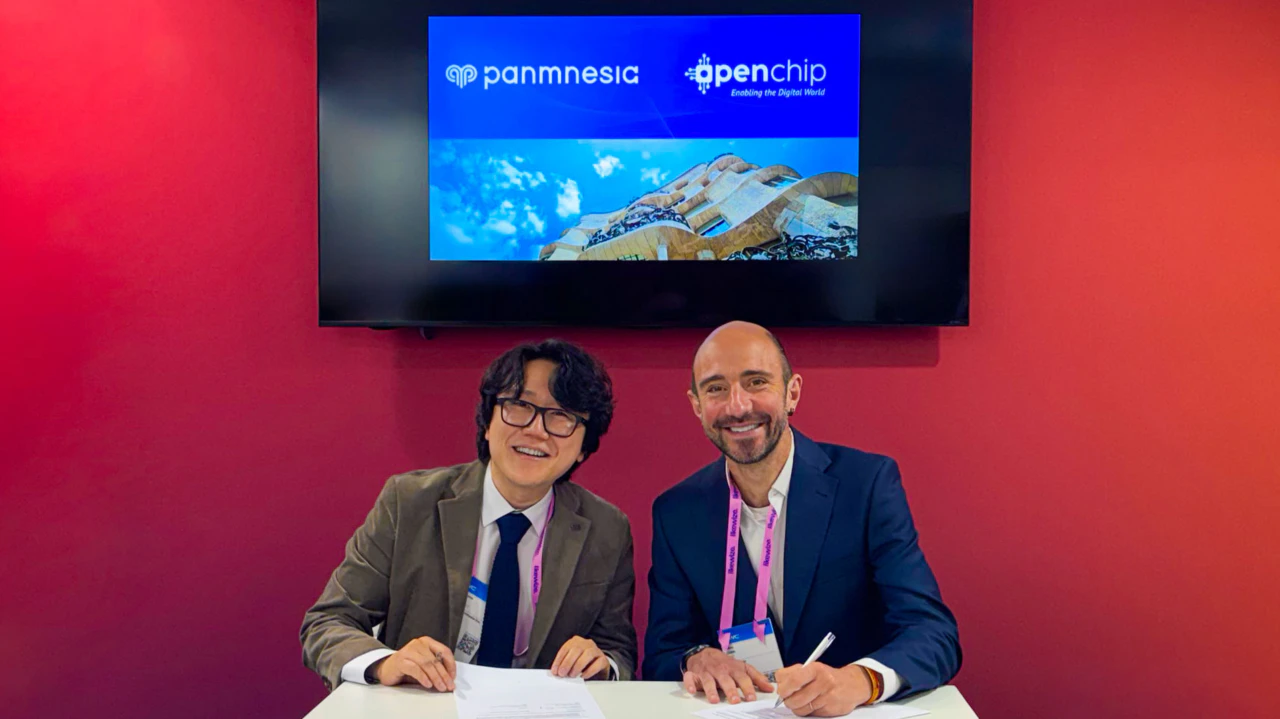
Panmnesia announced on the 23rd that it has signed a strategic partnership with the Korea Advanced Institute of Science and Technology (KAIST) to drive innovation in AX (AI Transformation) based on its link semiconductor technology.
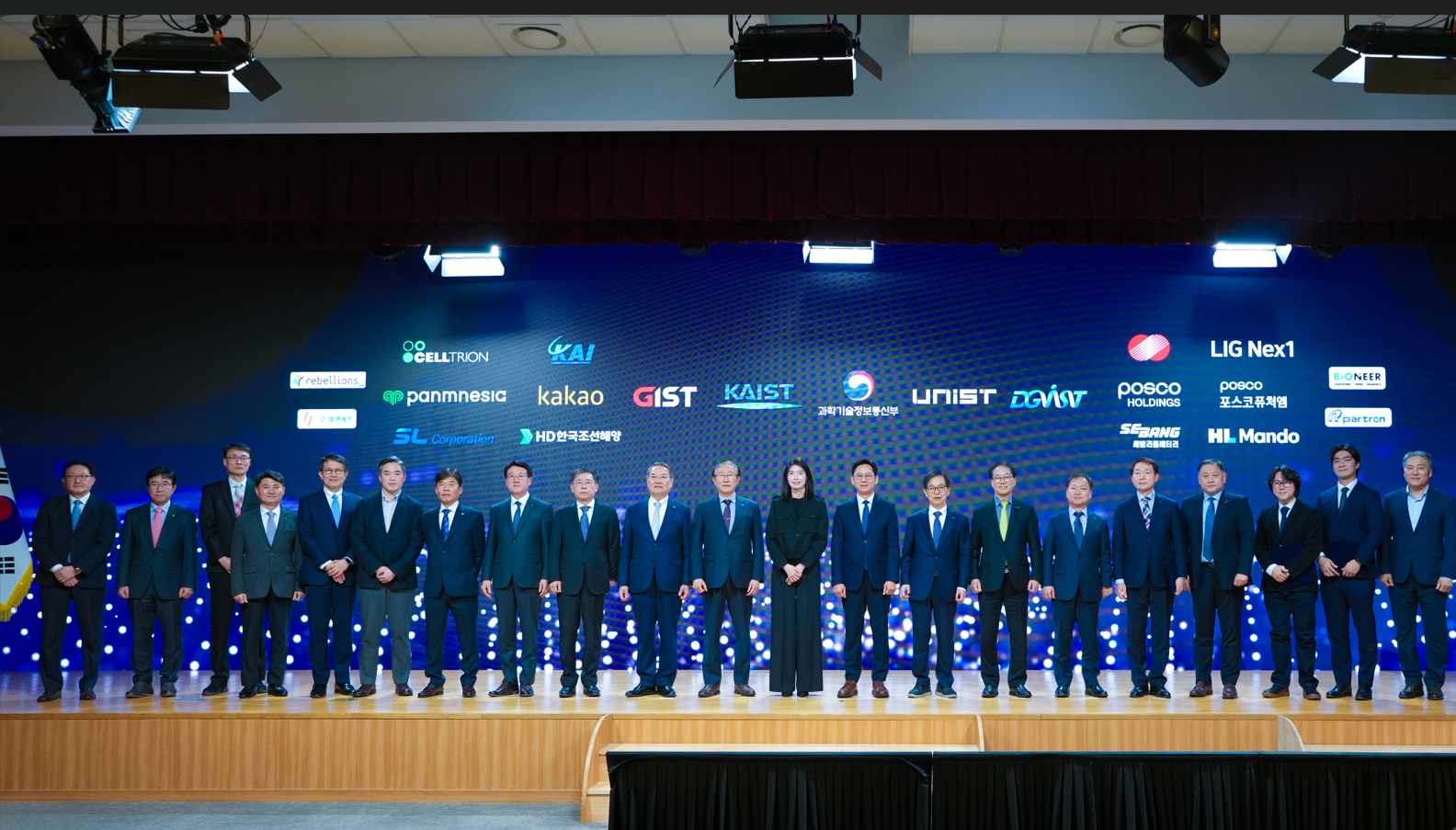
The partnership falls under the national “AX Strategy of South Korea’s Four Leading Science and Technology Institutes,” an initiative designed to advance industrial AX innovation. The initiative brings together the four national science and technology institutes (KAIST, GIST, DGIST, and UNIST) along with 16 leading companies across diverse sectors: Panmnesia and Rebellions (semiconductors); Kakao (AI education); HD Hyundai and POSCO Holdings (shipbuilding & marine/materials); KEPCO, POSCO Future M, and Sebang Lithium (energy/secondary batteries); Celltrion and Bioneer (bio); LIG Nex1 and KAI (defense); HL Mando, SL, and L&F (robotics); and Partron (sensor semiconductors). The group signing ceremony held on the 23rd was attended by the presidents of the four institutes and key executives from the partner companies, with Bae Kyung-hoon, Deputy Prime Minister of South Korea and Minister of Science and ICT, delivering congratulatory remarks.
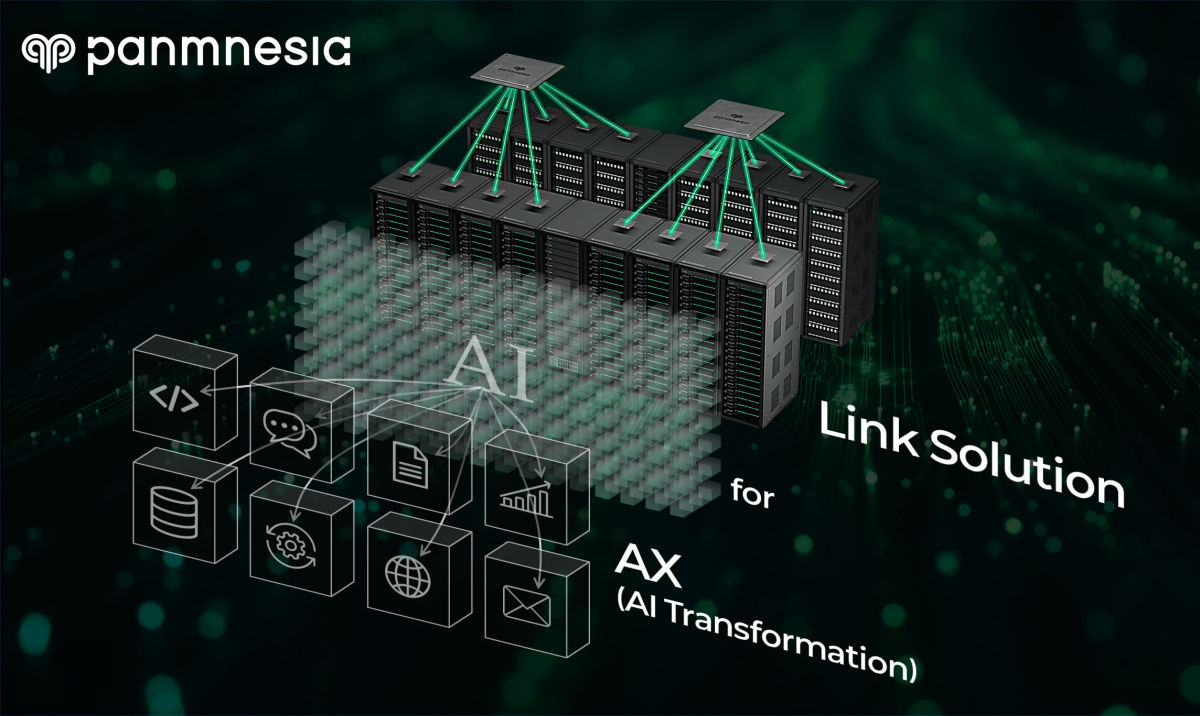
"AI agents" — large-scale AI model-based services that can autonomously plan and execute tasks given only a high-level objective — have emerged as a core technology driving AX. Powering such services requires numerous system devices including AI accelerators (GPUs, NPUs, etc.), CPUs, memory, working in close coordination. This generates massive volumes of inter-device communication, making "link" technology — which seamlessly connects and integrates these devices — just as critical as the performance of each individual device for achieving efficient AX.
Panmnesia, the company behind this partnership, is a fabless startup which focuses on the development of the "link" technology. The company develops a full range of "link semiconductor"— from semiconductor IP to hardware engines and switch chips — supporting diverse interconnect standards including Compute Express Link (CXL) and UALink.
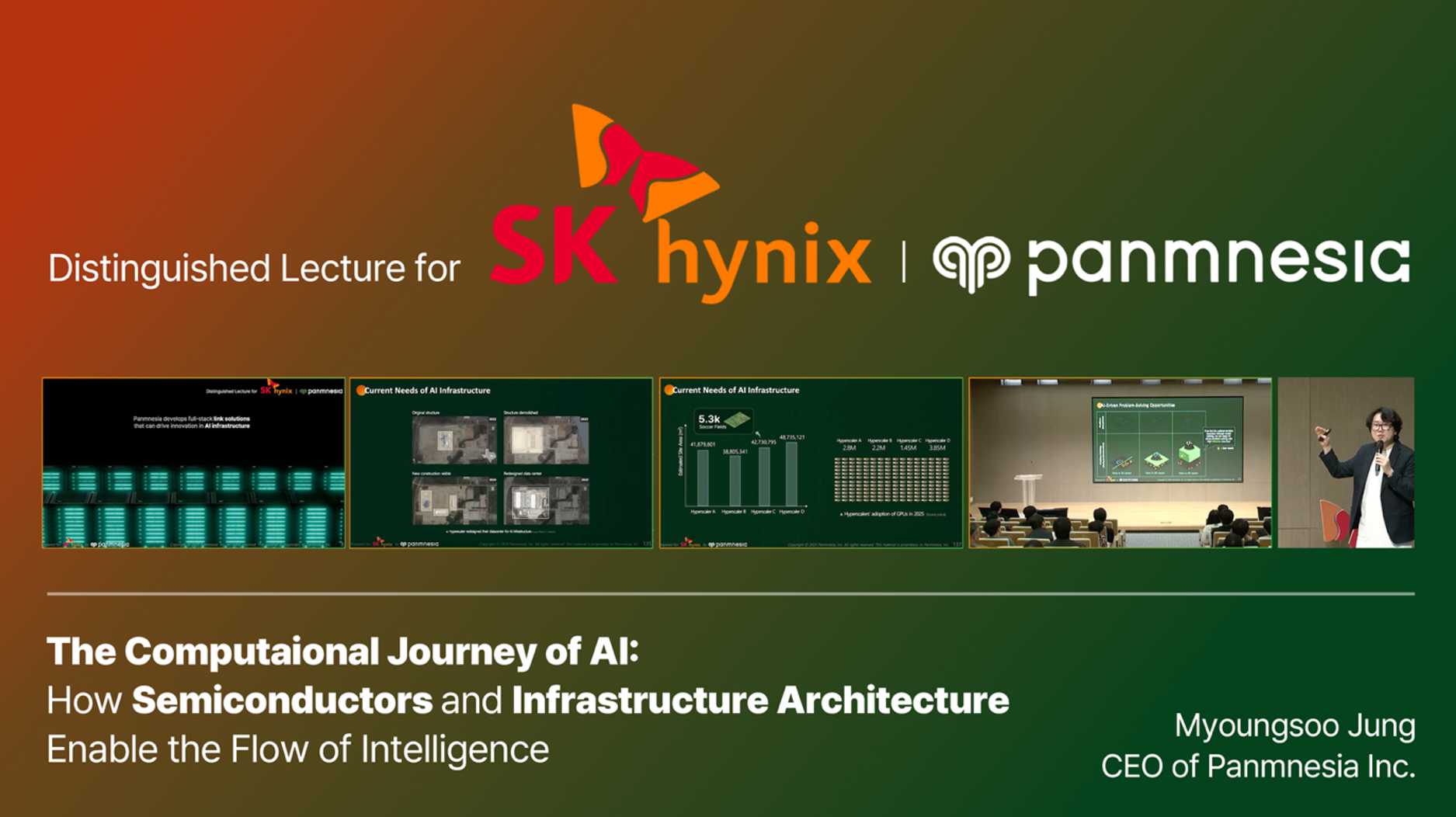
Furthermore, Panmnesia is developing and delivering solutions that leverage these link semiconductors to accelerate core technologies of AX, including AI agents, and has been consistently sharing its insight through technical reports, invitation lectures, and academic papers. A Panmnesia spokesperson stated, "We expect Panmnesia's link semiconductor technology to make a tangible contribution to the realization of efficient AX, including AI agent services."
Meanwhile, Panmnesia is also looking beyond accelerating AX with link semiconductors; the company is also focused on applying AX technology to semiconductor design itself. With the entire link semiconductor design flow executed in-house — spanning silicon design, SoC development, and verification — the process naturally produces vast amounts of repetitive work and data, making it an ideal environment for integrating AX into the design workflow. A Panmnesia spokesperson explained, "Through this collaboration, we aim to foster mutual growth by bridging Panmnesia's link semiconductor expertise with KAIST's AI-driven semiconductor design capabilities."
■ About Panmnesia
Panmnesia is an AI infrastructure company that develops link solutions to make AI data centers more efficient. architecture. As part of the solutions, the company has developed CXL controllers and CXL switches, and has introduced hybrid link architectures that integrate interconnect technologies such as UALink and NVLink Fusion, along with advanced interconnect and semiconductor technologies including HBM.
Recognized for its technological leadership, Panmnesia secured approximately USD 60 million in Series A funding in 2024 and achieved a company valuation of approximately USD 250 million.